
Study could fill gap in understanding of peri-implantitis
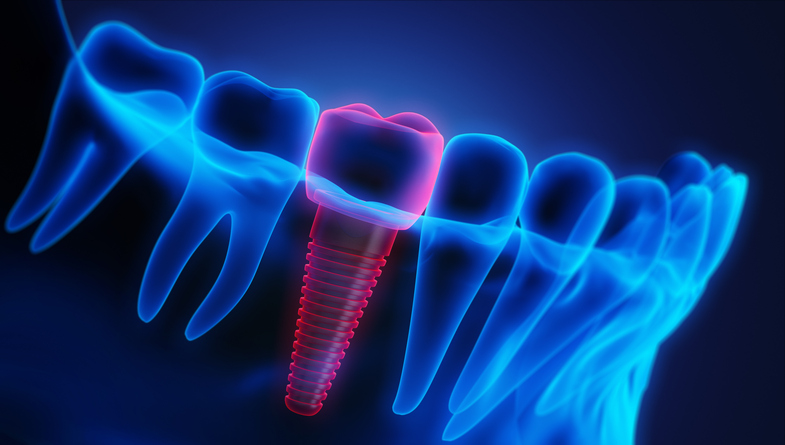
Researchers may have uncovered the factors contributing to the ineffectiveness of antibiotics to hinder the progression of peri-implantitis.
In a study published in PNAS Nexus, the researchers investigated the peri-implant microenvironment to better understand the effects of dental implant-derived particles on immune response. They found that oral bacteria are capable of breaking down the dental implant surface to create titanium debris that is then released into the surrounding tissue, leading to inflammation and bone loss, according to a news article from Oral Health reporting on the findings.
The researchers discovered that titanium particles shed from the dental implants potentially inhibited the immune function of macrophages through disruptions to TRPC1-dependent calcium ion signaling and lysosomal activity. For instance, these particles can hinder bacterial clearance, cause defective phagolysosome maturation and raise inflammatory cytokine levels by initiating an influx of dysregulated calcium ions and alkalinizing lysosomes. Because the macrophages attempting to clear the titanium particles are unable to break down metal, they become trapped in a prolonged inflammatory state and continue to release molecules that adversely impact the peri-implant microenvironment.
To test the findings, the researchers conducted an in vivo study involving mice with TRPC1 knockout. After exposing them to implant-derived titanium particles, the mice continued to exhibit bacterial clearance, reduced cytokine response and smaller abscesses. With the milder immune response observed in the mice, the researchers suggested that the calcium channel could represent a potential target for future therapeutics.
The researchers emphasized that the mechanism illuminated in their research could help clinicians better understand why peri-implantitis is often resistant to antimicrobial therapy as well as how abiotic exposomes can transform host-microbe interactions. They highlighted the critical need for novel strategies to boost immune competence in patients with peri-implantitis
Read more: Oral Health
The article presented here is intended to inform you about the broader media perspective on dentistry, regardless of its alignment with the ADA's stance. It is important to note that publication of an article does not imply the ADA's endorsement, agreement, or promotion of its content.