
Root canal obturation: Which techniques are most beneficial?
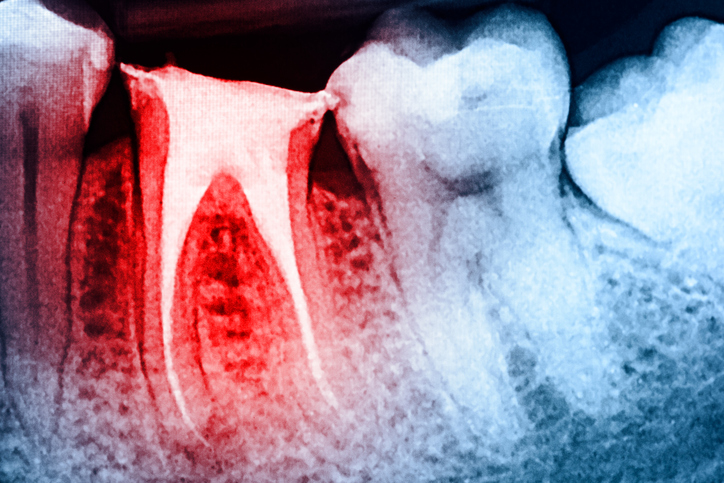
Investigators systematically compared the clinical and radiographic outcomes of different root canal obturation techniques and materials in primary treatments and retreatments.
In a systematic review and meta-analysis, the investigators used data from the PubMed, Cochrane Library and ScienceDirect databases to identify 84 studies examining the clinical and radiographic outcomes in primary root canal treatment and retreatment. They sought to better understand whether certain root canal filling techniques — including warm vertical compaction, warm lateral compaction, cold lateral condensation, single cone and carrier based — could significantly improve endodontic treatment outcomes.
Among the patients who underwent primary root canal treatments, the investigators found no statistically significant differences in the efficacy of the techniques at six, 12 and beyond 36 months of follow-up. However, at 24 months, the cold lateral condensation and carrier-based techniques demonstrated greater treatment success rates compared with the single-cone technique, but these advantages didn’t persist at longer follow-ups. Similarly, among those who underwent root canal retreatments, the single-cone technique resulted in higher success rates compared with cold lateral condensation at 12 months and the carrier-based technique resulted in higher success rates compared with the warm vertical compaction technique at 24 months. There were no statistically significant differences between the cold lateral condensation and carrier-based techniques beyond 36 months.
The investigators emphasized that primary root canal treatment had higher success rates compared with retreatments at most time points. Clinician expertise and case selection appeared to have greater influence over treatment success compared with root canal obturation techniques. Because the certainty of evidence was low to very low and heterogeneity was high, longer-term randomized clinical trials are needed to establish root canal obturation standards.
Read more: Scientific Reports
The article presented here is intended to inform you about the broader media perspective on dentistry, regardless of its alignment with the ADA's stance. It is important to note that publication of an article does not imply the ADA's endorsement, agreement, or promotion of its content.