
Illuminating TMD prognoses: Pain, functional outcomes
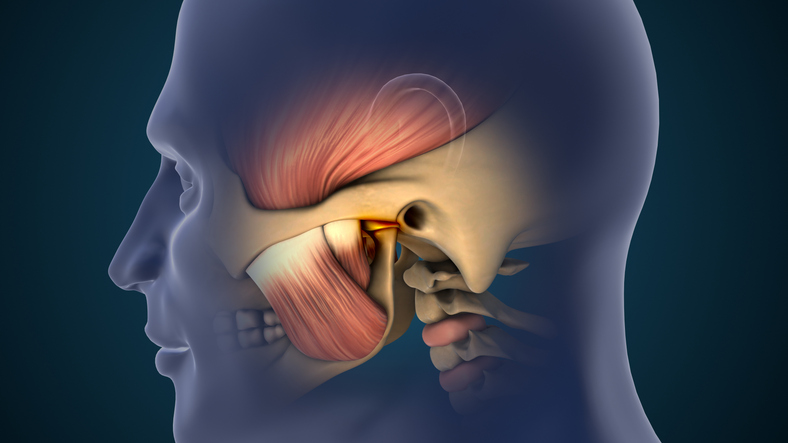
Investigators may have identified factors contributing to poorer outcomes in patients with temporomandibular disorders.
In a systematic review and meta-analysis published in BMJ Open, the investigators used the Medline, Dentistry and Oral Sciences Source, SportDiscus and CINAHL (EBSCOhost) databases to identify nine studies focused on the prognostic factors associated with pain intensity and function in nearly 100,000 adult patients with TMD.
After analyzing 56 candidate factors, the investigators found that pain outcomes were worsened among the participants with movement- or palpation-related pain and function outcomes were poorer among those with greater pain intensity. For instance, those who reported joint pain accompanied by sound or muscle pain occurring during movement had poorer prognoses, including persistent or worsening symptoms. Conversely, the participants who experienced more pain-free mouth opening and whose pain was shorter had better pain outcomes.
Despite the findings, the investigators stressed that they relied on low-certainty data and that further longitudinal studies will be needed to validate the results. Therefore, they emphasized that the prognostic indicators they acknowledged should not inform the treatment decision-making process beyond risk stratification.
Read more: BMJ Open
The article presented here is intended to inform you about the broader media perspective on dentistry, regardless of its alignment with the ADA's stance. It is important to note that publication of an article does not imply the ADA's endorsement, agreement, or promotion of its content.