
Early cavity prevention: How fluoride can make a difference
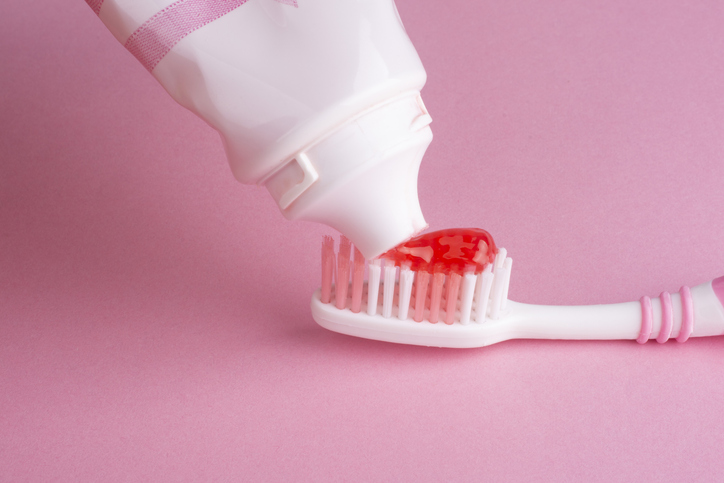
In an opinion piece from the Akron Beacon Journal, Brian Martin, D.M.D., a pediatric dentist, debunks common myths that could be discouraging parents from using fluoride on their children’s teeth.
Dr. Martin detailed that many parents question whether fluoride is safe or necessary. However, research focused on the naturally occurring mineral has continually proved its efficacy at recommended levels. For instance, when added to public drinking water, toothpaste and mouth rinse, fluoride can improve oral health by preventing dental caries and strengthening tooth enamel.
Further, despite recent claims suggesting that exposure to fluoride may cause health issues in children, Dr. Martin noted that new studies have found no association between the use of fluoride in pregnancy and low birth weight or developmental issues in offspring.
With dental caries prevalent among children — affecting about 25% and 50% of those aged 2 to 5 years and adolescents, respectively — exposure to fluoride is one of the most effective public health interventions to combat dental health issues, minimize missed school days and reduce the need for future dental treatments. Dr. Martin explained that children who don’t have access to fluoridated water may be given a varnish, gel or fluoride supplement to protect their teeth.
He concluded that parents should ensure that their children opt for water over sugary beverages, use a smear of fluoride toothpaste for those younger than 3 years and a pea-sized amount for those aged 3 years and older, refrain from rinsing just after brushing, and adhere to regular dental appointments to further reduce the risk of dental caries and keep their teeth healthy.
Read more: Akron Beacon Journal
The article presented here is intended to inform you about the broader media perspective on dentistry, regardless of its alignment with the ADA's stance. It is important to note that publication of an article does not imply the ADA's endorsement, agreement, or promotion of its content.