
Does burnout come with biological indicators?
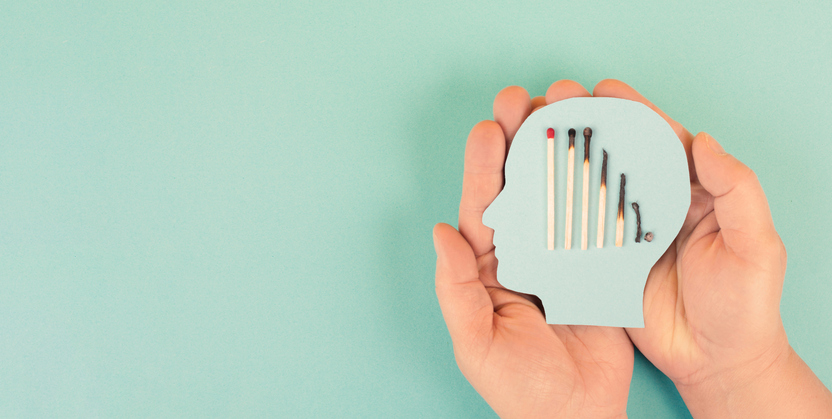
Researchers may have uncovered biological markers correlated with burnout.
Burnout is often prevalent among clinicians and can begin among students or trainees as a result of the demanding nature of the occupation; however, the pathophysiological mechanisms behind burnout are still little understood.
According to a news article from LCGC International reporting on the findings, experts detailed that clinicians with burnout may feel emotionally drained and detached, particularly when they have experienced long-term stress in connection with their work.
In a study published in Psychoneuroendocrinology, researchers explored biomarkers associated with inflammation among more than 150 medical students and clinicians in training who exhibited symptoms of burnout. They employed the Maslasch Burnout Inventory questionnaire to determine burnout symptoms, used saliva samples alongside liquid chromatography-tandem mass spectrometry to examine cortisol and cortisone hormone levels upon awakening, and collected blood samples to analyze inflammatory markers.
After a follow-up of three years, the researchers found that although they observed no connections between cortisol and cortisone awakening responses, the participants who had higher levels of burnout symptoms were more likely to present with a lower inflammatory index and distinct neuroendocrine hypothalamic pituitary adrenal-axis measures associated with their inflammatory markers.
Despite the findings, larger studies with more frequent follow-ups are needed to validate the results of the study and better elucidate the biological patterns of burnout in the body as well as neuroendocrine-immune interactions.
Read more: LCGC International
The article presented here is intended to inform you about the broader media perspective on dentistry, regardless of its alignment with the ADA's stance. It is important to note that publication of an article does not imply the ADA's endorsement, agreement, or promotion of its content.