
2D vs. 3D imaging after endodontic treatment
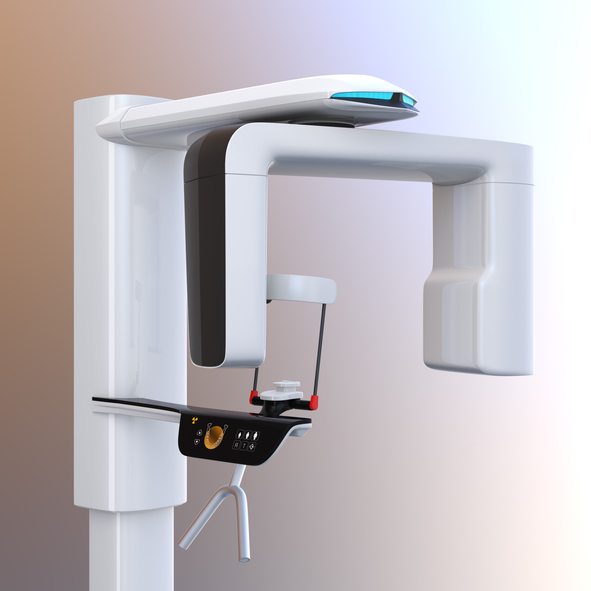
Researchers examined the efficacy of 2D and 3D imaging in examining pre- and post-endodontic procedure periapical healing.
In a study published in Cureus, the researchers analyzed the accuracy of 2D intraoral periapical radiographs versus 3D cone-beam computed tomography performed preoperatively at one year of follow-up among 92 patients with bony defects who underwent endodontic surgery and treatment with platelet-rich fibrin.
The researchers found that compared with 3D CBCT imaging, 2D intraoral periapical radiographs tended to overestimate periapical healing. For instance, the mean and median values for lesion area reduction used in the 2D imaging method were significantly greater than the mean and median values for volume reduction used in the 3D imaging method. As a result, 3D CBCT imaging could provide more clinically reliable estimations for postoperative periapical healing.
Read more: Cureus
The article presented here is intended to inform you about the broader media perspective on dentistry, regardless of its alignment with the ADA's stance. It is important to note that publication of an article does not imply the ADA's endorsement, agreement, or promotion of its content.