FDA warns public about unauthorized direct-to-consumer clear aligners
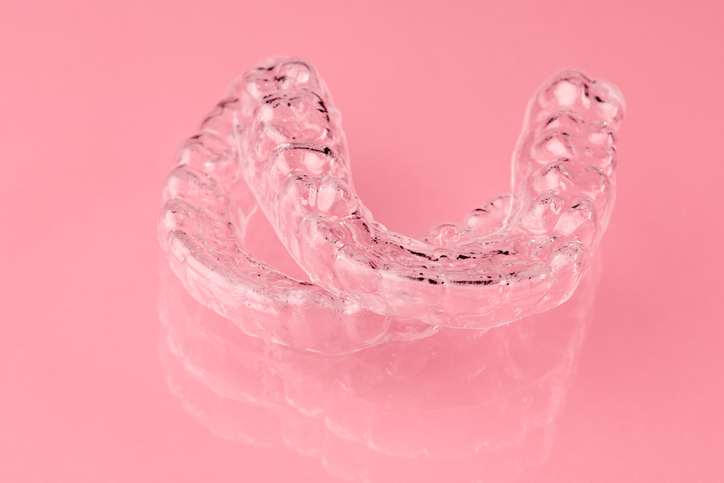
The U.S. Food and Drug Administration is warning consumers about the risks of using unauthorized clear dental aligners sold directly to them without the supervision of a dentist or orthodontist.
In newly published information for patients, the FDA said clear aligners are prescription devices and that it reviews and authorizes the devices before they can be marketed and sold in the United States. The agency has not authorized clear aligners sold directly to consumers without a prescription and professional supervision, the notice emphasized.
“The FDA has not authorized clear aligners that are marketed directly to consumers without supervision by a dentist or orthodontist,” the agency said. “The lack of appropriate professional supervision may increase the risk of complications.”
According to the FDA, clear aligners are only safe to use under the supervision of a licensed practitioner. An in-person examination can help reduce the risks of an uneven bite, unintended tooth movement, pain and tooth loss. Periodic in-person visits after treatment begins can also help ensure teeth are moving safely and according to the treatment plan.
The agency acknowledged that some treatment plans may include remote monitoring and virtual dental visits, or teledentistry. However, it emphasized the role of in-person care in reducing potential complications.
“While virtual visits can be a useful part of dental care, periodic, in-person visits to see a dentist or orthodontist can help reduce the risks of an uneven bite, unintended tooth movement, pain, and tooth loss, and ensure your treatment is progressing appropriately,” the FDA said.
The FDA said it has received reports involving unauthorized direct-to-consumer clear aligners in which patients experienced new or worsening dental pain, jaw pain, bite problems, worsening tooth misalignment and new gaps between teeth. Patients using clear aligners who develop new or worsening symptoms should contact their dentist or orthodontist for an evaluation, according to the agency.
The FDA also cautioned consumers about the distinction between products or manufacturers described as "FDA registered" and products that have received FDA authorization.
“Some companies may say they are FDA-registered, but this is not the same as FDA-authorized,” the agency said.
According to the FDA, registration means a manufacturer has listed its facility and products with the agency while authorization means the FDA has reviewed the specific product and cleared or approved it for public use. Patients can ask their dentist or orthodontist about the product being used or search the FDA’s 510(k) database using product code NXC to determine whether a clear aligner has received authorization.
For people considering clear aligners, the FDA recommended receiving an evaluation by a dentist or orthodontist, preferably in person, to determine whether aligners are appropriate. Patients should also discuss the benefits and risks with their dentist or orthodontist, follow instructions on wear time and follow-up visits, attend recommended appointments, and report pain, bite problems or other unexpected symptoms, according to the FDA.
The FDA encouraged patients and healthcare professionals to report serious adverse events involving clear aligners to the agency and the manufacturer. Problems can be reported through the FDA’s MedWatch program.