Center for Medicaid and CHIP Services encourages states to restrict amalgam coverage
ADA recognizes dental amalgam safety, supports phasedown approach
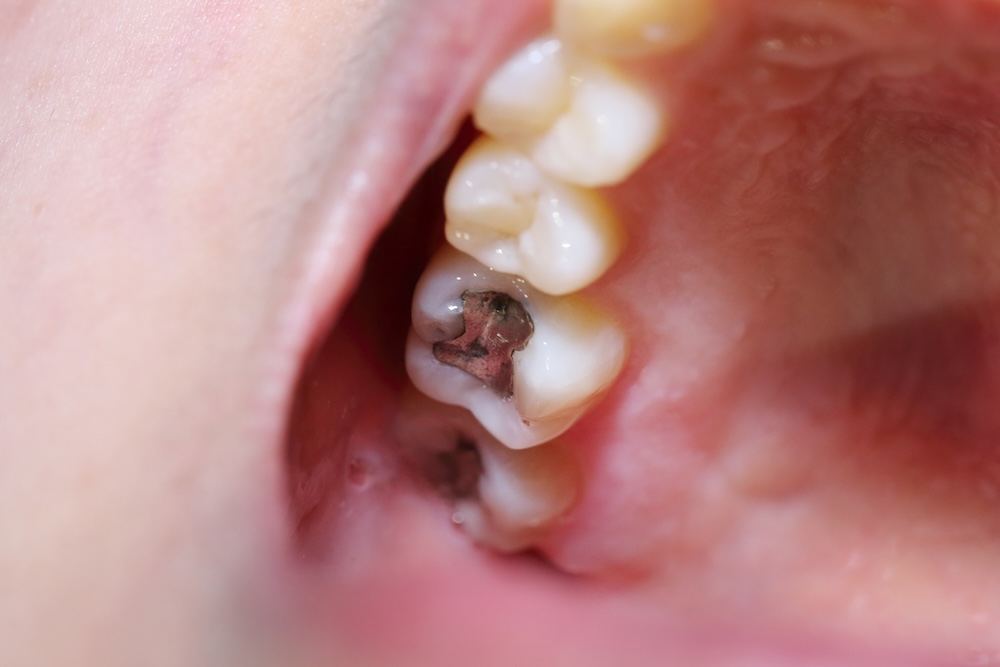
The Center for Medicaid and CHIP Services sent an email July 22 to state Medicaid directors, encouraging them to restrict or end coverage for dental procedure codes related to dental amalgam.
In the email, the agency, which is part of the Centers for Medicare & Medicaid Services, also encouraged directors to consider offering incentives to dentists to use resin-based composite materials for restorations.
This guidance is not a requirement, and states are responsible for determining medical necessity criteria and making coverage decisions.
“Amalgam restorations remain an important treatment option for certain patients and populations, particularly when moisture control, cost or specific clinical circumstances make alternative restorative materials less suitable,” said Jennifer Holtzman, D.D.S., chair of the ADA Council on Scientific Affairs. “Dentists should retain the ability to select the most appropriate evidence-based treatment for each individual patient.
“At the same time, the removal and replacement of clinically serviceable amalgam restorations solely because they contain amalgam is not supported by the scientific evidence. Patients are best served when restorative material selection is based on clinical need, scientific evidence and shared decision-making between doctors and patients.”
The recommendations from the Center for Medicaid and CHIP Services follow the Indian Health Service’s February announcement that it will end the use of dental amalgam in its facilities by 2027.
The use of mercury in health care, including dental amalgam, has been declining for decades as alternatives, such as resin restorations, have become more widely available.
In 2024 commercial data, paid amalgam restorations made up 6.2% of dental restorative procedures in the U.S., based on an analysis of Merative MarketScan dental claims data. Among Medicaid claims, based on an analysis of the 2022 Transformed Medicaid Statistical Information System, amalgam restorations made up 8% of all dental restorative procedures in the U.S.
The ADA continues to support the use of dental amalgam based on the clinical judgment of the dentist, recognizing it as a safe, durable and affordable material to treat cavities if dentists and patients agree it is the best treatment option.
The ADA also supports a phasedown of mercury for environmental reasons. In the U.S., dentists use amalgam separators to prevent amalgam waste from entering the environment.
In 2025, the Minamata Convention on Mercury, an international treaty aimed at reducing environmental and health risks posed by mercury, called for the manufacture, import and export of dental amalgam to be phased out globally by 2034 except “when its use is considered necessary by the dental practitioner based on the needs of the patient.” The decision is a nonbinding international agreement.
For more information and resources related to dental amalgam, visit the ADA’s Oral Health Topics webpage on amalgam. The ADA also prepared talking points earlier this year to help dentists and their team members talk to patients about dental amalgam.